
By,
Dipak
January 25, 2026
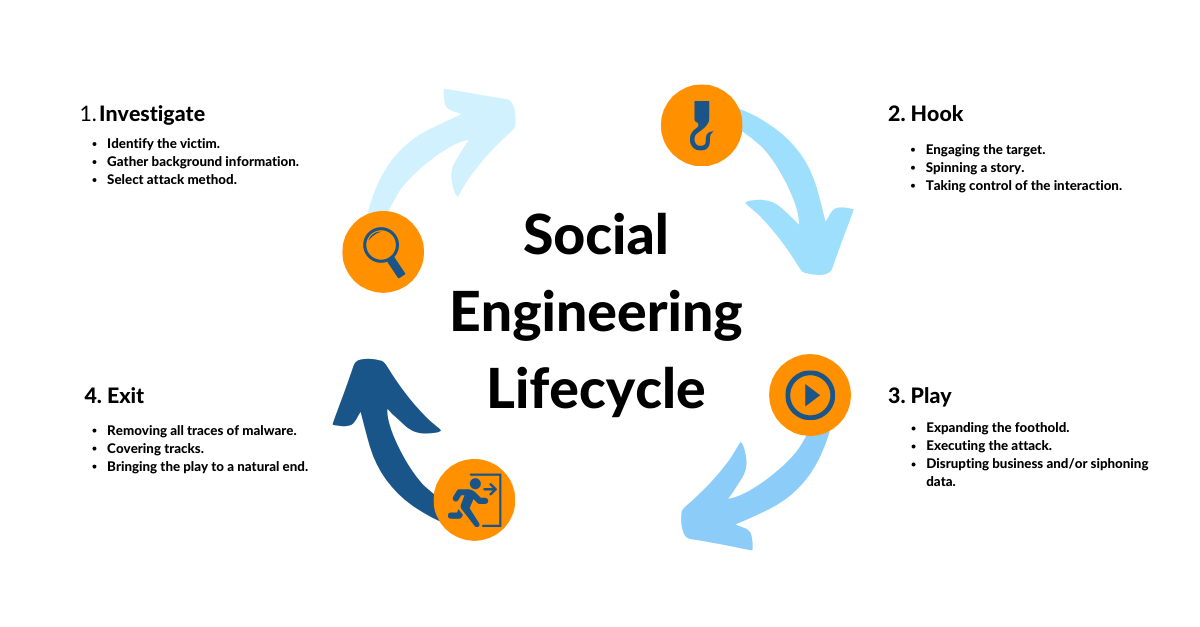
Social engineering explained short & technical.
Social engineering is not a hack with code it's manipulation of people to trick them into revealing sensitive info or performing dangerous actions. In online phishing (the digital version), attackers exploit psychological triggers: fear, greed, trust (looks like your bank/family), authority (police/tax office), or curiosity.
How it really works:
Attacker sends a fake message → you click the link (because it feels legit) → the link leads to a malicious site or triggers an attack automatically.
How fast it can go wrong after that one click.
- Seconds (0–10 sec):
Drive-by download → malware (spyware, keylogger, ransomware) installs silently in the background. No download or confirmation needed. Your browser/OS exploit is abused. You notice nothing.
- Seconds to 1 minute (if you enter details):
You land on a fake login page (bank, DigiD, Instagram, etc.) → you type username + password + maybe 2FA code → attacker gets instant access. They log into your real account, change password, transfer money, or steal data. Money can be gone in minutes.
- Minutes to hours (in the background):
Malware logs keystrokes (keylogging), takes screenshots, steals cookies/sessions → attacker gets access to all your accounts without needing new passwords. Or they spread to your contacts via your WhatsApp/LinkedIn.
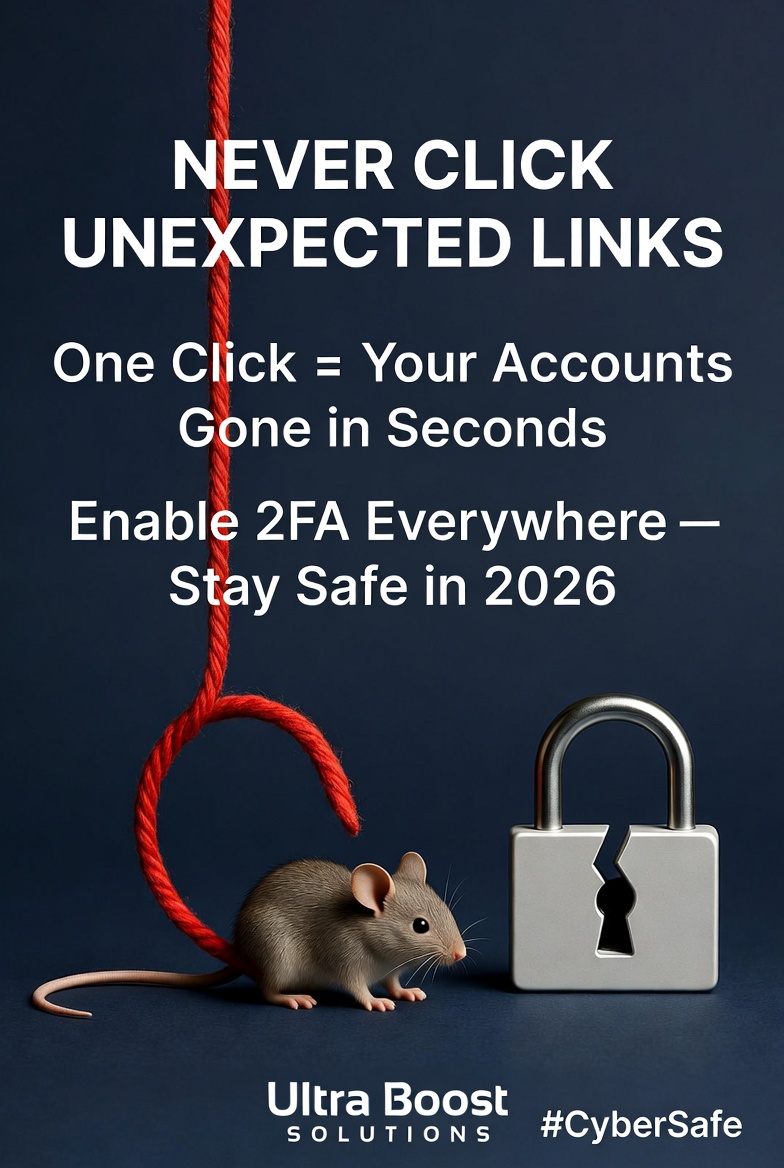
Bottom line: one click can infect your device in seconds or take over your entire digital life in minutes.
That's why we always say to everyone: never click on links you didn't expect. Type the URL yourself. Always.